Flagship Ventures

dentall

dentall: building the platform, AI layer, and governance base together

At dentall, I was growing the product and engineering organization while also helping build the cloud HIS, the AI product line, and the governance base underneath it.

2018-PresentDental SaaS / HealthTech / AI
Dental SaaSHealthTechAI ProductsEngineering LeadershipISO 27001
TY WangAugust 22, 2025Last updated: March 11, 2026
HealthTech AI case study

Role

CTO / Org Builder & AI Product Lead

Client

3,000+ dental clinics and platform users in Taiwan

Industry

Dental SaaS / HealthTech / AI

Outcome

Helped build the platform, AI layer, and governance base needed for expansion across Taiwan, Vietnam, and Japan.

Platform System

At dentall, I was building the foundation while also growing the team

To me, this was never a single SaaS feature. It was a long stretch of trying to move clinic workflow, AI, and governance together, even when the work was not always glamorous.

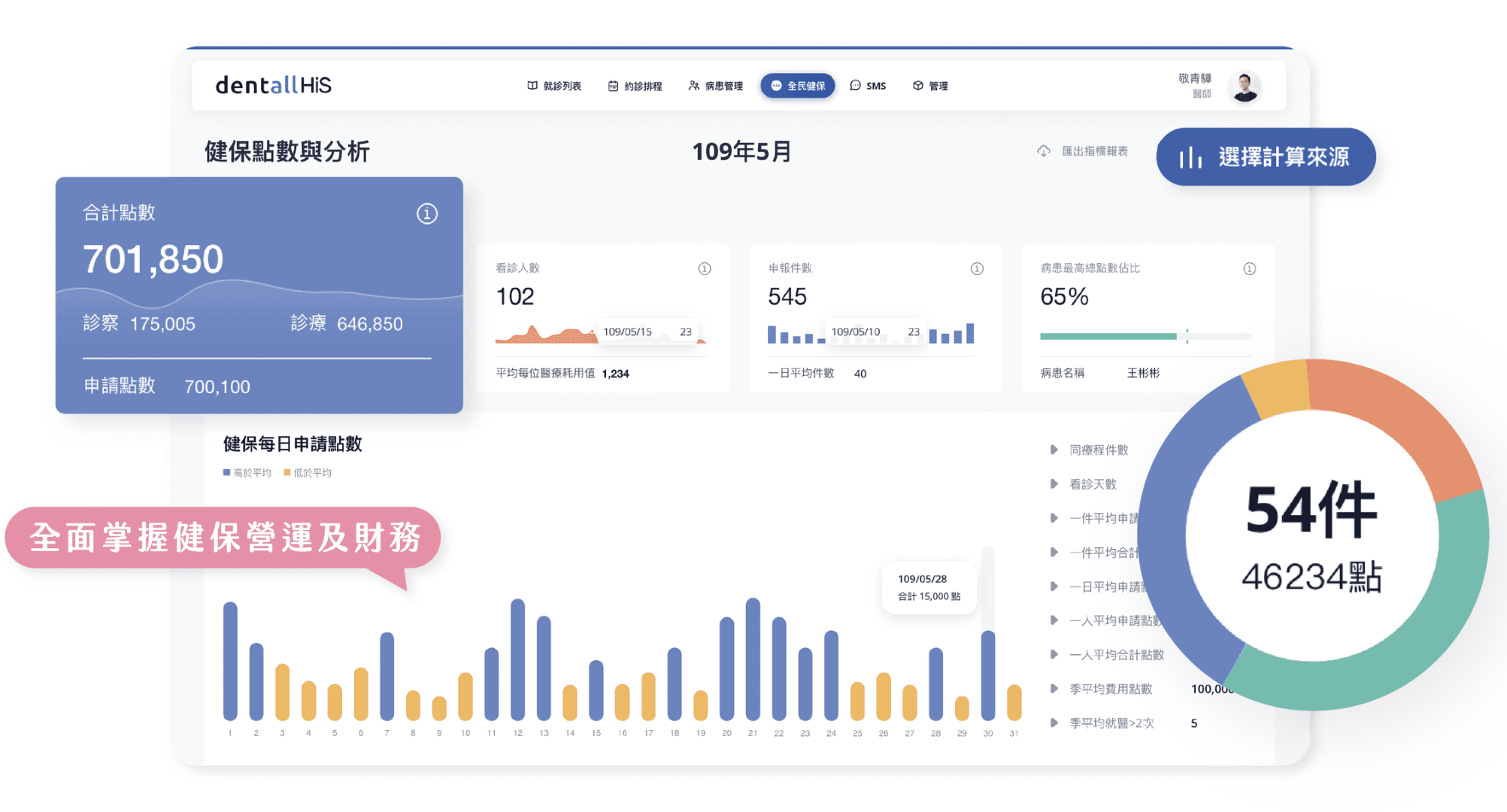
dentallHiS cloud clinic management interface

Cloud HIS

dentallHiS was not only a new system to me. It was a way to seriously rebuild an old market

A lot of competitors still carry the logic of software designed decades ago. We were trying to move cloud delivery, workflow design, and security forward together.

clinic footprint

3,000+

company scale

60-100

ISO buildout

4 months

Case Study Summary

Read the case-study summary first

>The important story in dentall is not one AI feature. It is the gradual integration of platform, clinical workflow, and AI capability.

>This case makes the tension between HealthTech platform building, compliance, and AI productization visible.

>If you want to see how AI can land inside a high-trust, data-dense industry, dentall is a strong reference case.

Who this case is for

>HealthTech, medical SaaS, and high-trust industry decision makers

>Product leaders who want AI to plug back into core workflows

>Operators balancing platform growth with compliance discipline

Key outcomes

>Built a major dental-information platform with dentall.ai capabilities

>Connected tooth-chart generation and clinical text workflows back into the product surface

>Maintained a workable pace across platform scaling, AI features, and compliance needs

Key constraints

>Regulated markets cannot pace productization only by technical readiness

>AI features create limited value if they stay outside the existing workflow

>Platform foundations and AI iteration need to advance together

Repeatable patterns

>Build the product base that can actually carry AI before scaling new features

>Validate AI through concrete workflow savings, not demo excitement

>Plan compliance and product strategy together instead of treating compliance as cleanup work

FAQ

Common questions

Problem

Problem

What I saw was not one missing feature. It was an old market stuck with old stacks, data silos, and high-friction workflows.

Short version: the biggest problem in dental software is usually not missing features. It is that a lot of the systems are simply too old.

Clinic operations, records, education, procurement, and patient communication often sit across disconnected tools, which means staff spend their day moving through high-friction workflows.

So once dentall started growing from a service into a platform, the question was no longer "what feature should come next?" It was whether we could move the whole foundation forward: cloud-native, more modern in workflow design, and more serious about security from the start, while still leaving room for AI and cross-border expansion.

Solution

Solution

My preference was not to add AI first. It was to strengthen the HIS and governance base first, then let the AI layer grow on top.

At dentall, I was doing more than leading engineering. I was helping build the product-development system and the platform foundation underneath it.

My thinking at the time was fairly simple: do not rush to bolt AI onto an old stack. Rebuild the core product, the organization, and the governance base first, then let the AI product line grow on top of something stronger.

We roughly ended up with three layers:

  1. dentallHiS A cloud-based clinic operating system meant to move the workflow and security baseline forward.

  2. dentall.ai An LLM layer for case text, insurance rules, treatment-plan generation, and later CRM / CS workflows.

  3. governance layer ISO 27001 / 27701-driven security, privacy, process discipline, and expansion readiness. This layer is not always the flashiest, but in HealthTech it matters a lot.

Execution

Execution

The hard part at dentall was that many things had to move together: platform, AI, organization, and compliance all needed to keep up.

The hard part here was that many things had to move together, and none of them could be weak.

  1. The organization had to stabilize As the company grew into the 60-100 person range, hiring, ownership, agile cadence, and delivery accountability all had to become more repeatable. Without that, the product lines would have started to scatter.

  2. dentallHiS had to become a real foundation To me, dentallHiS was not just another new system. It was a chance to rebuild the clinic operating base with a cloud-native model, a more modern workflow, and a stronger security posture.

  3. dentall.ai could not stay as a demo dentall.ai could already turn case text into tooth charts and treatment plans, and answer insurance-code questions. But what mattered more to me was whether those capabilities could connect back into dentallHiS rather than stay as isolated demos. The imaging track also reached technical readiness on dental X-ray analysis, with regulation and product timing still ahead of it.

dentall.ai management interface

AI Operations

What mattered more to me was whether dentall.ai could connect back into workflow

This is not only prompt input. It is about whether case text, rules assistance, customer analysis, and support work can gradually connect back into one product layer.

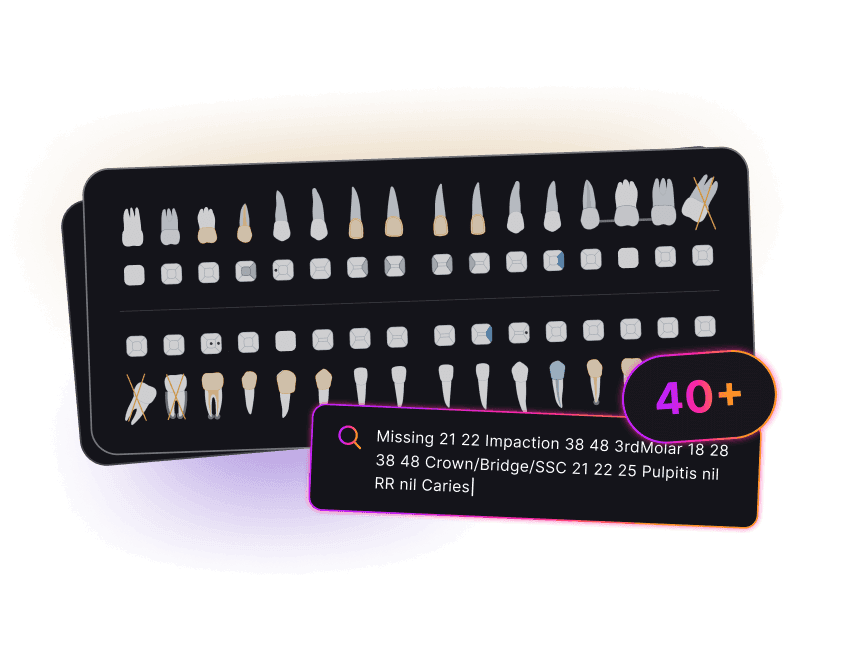
dentall.ai tooth chart rendering

LLM Dentistry

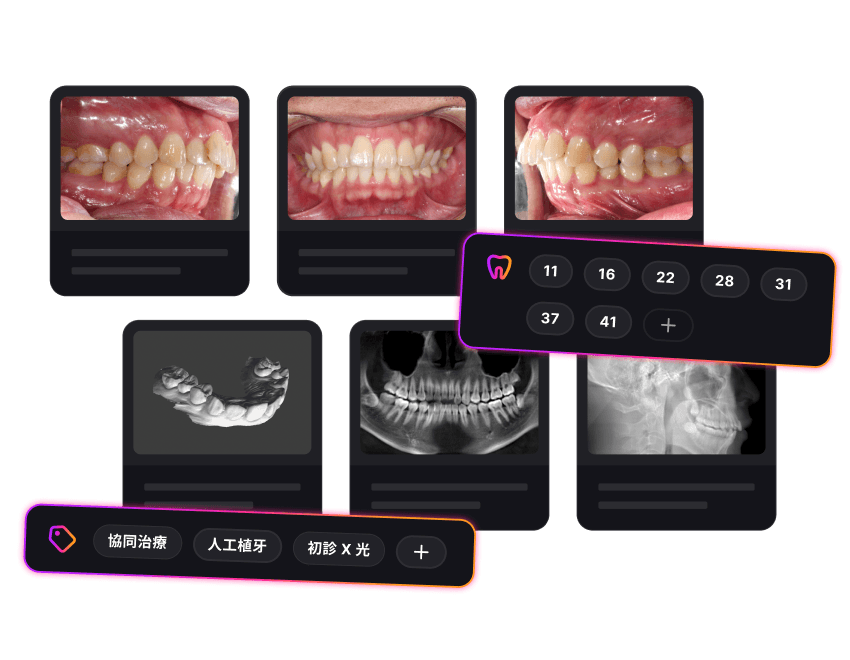
Once case text can turn directly into tooth charts and treatment plans, AI has a much better chance of being used

dentall.ai uses LLMs to interpret case descriptions and generate tooth charts and treatment plans. To me, the point is whether that actually saves time in communication.

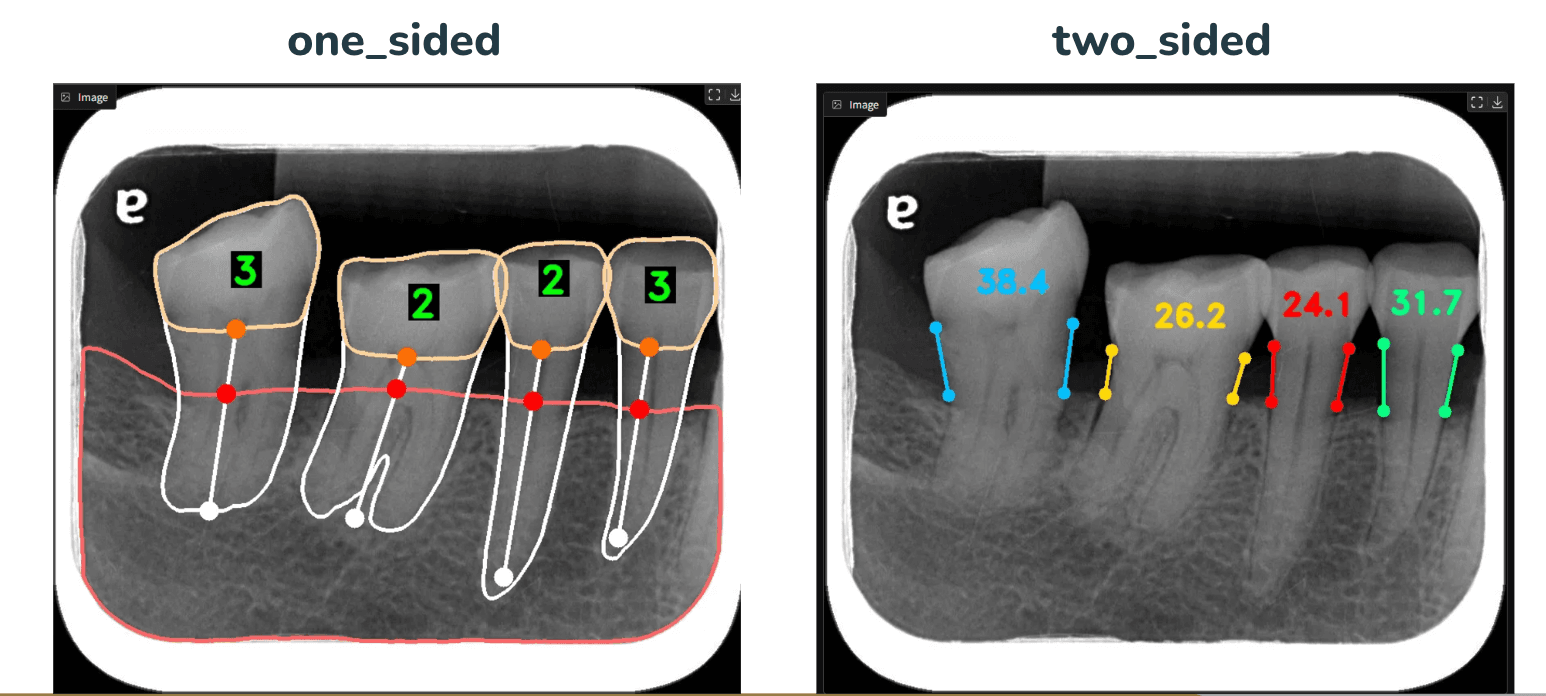
Dental X-ray AI analysis screen

Imaging AI

Dental X-ray AI reached a usable technical stage, but productization still depends on timing

The imaging layer became technically usable, but we stayed disciplined about pacing, medical-device regulation, and commercialization path.

Impact

Impact

The outcome I care about is not a few AI features. It is whether the overall base became strong enough to support more growth.

If you only look at one feature, this chapter is hard to explain well. It makes more sense to say that the whole platform base gradually moved up a level.

  • dentall reached roughly 3,000 dental clinics in Taiwan, across procurement, education, cloud HIS, and AI products.
  • eChat passed 7,000 users, which at least showed there was real demand for a vertical rules-and-assistance layer in dentistry.
  • As the company expanded into Vietnam and Japan, the technical and governance base could travel with it instead of being rebuilt market by market.
  • The team completed ISO 27001 / 27701 buildout and certification in four months, then earned a BSI security award.

Taken together, these outcomes say something bigger to me: dentall was no longer only shipping dental software. It was starting to look like a platform where product, AI, and governance could all grow together.

Launched a more modern cloud HIS to rebuild clinic operations on a stronger security foundation.

Turned dentall.ai into an AI layer for tooth charts, treatment plans, insurance rules, and future CRM / CS workflows.

Completed ISO 27001 / 27701 buildout in four months and won a BSI security award.

Next Step

The next step is still deeper connection between dentall.ai and dentallHiS

What matters more to me now is not another isolated feature. It is deeper integration between dentall.ai and dentallHiS so the AI layer can live inside more real clinic workflows.

>Unify case text, insurance logic, and patient data inside one AI workflow layer.

>Move AI from one-off generation to a persistent operating layer for CRM and support.

>Open a compliant path from imaging analysis toward clinical decision support.

Portrait of TY Wang

Founder Note

Lessons

The longer I stay in HealthTech, the more I feel the hard part is not feature count. It is whether platform, AI, and compliance can grow together.

HealthTech keeps reminding me that the real moat is rarely feature count alone.

The harder and more real question is whether platform, AI, and compliance can scale together. If the system is unstable, the security layer is weak, or the organization cannot keep delivering, even strong AI will struggle to enter clinical and commercial workflows.

It also made my AI filter much sharper. Whether the input is case notes, insurance rules, patient operations, or imaging data, AI is only worth productizing when it actually saves professional time, reduces communication friction, or improves decision quality inside an existing workflow.
Contact

Discuss a similar business challenge

Helped build the platform, AI layer, and governance base needed for expansion across Taiwan, Vietnam, and Japan.

Related Writing

Related writing for this case

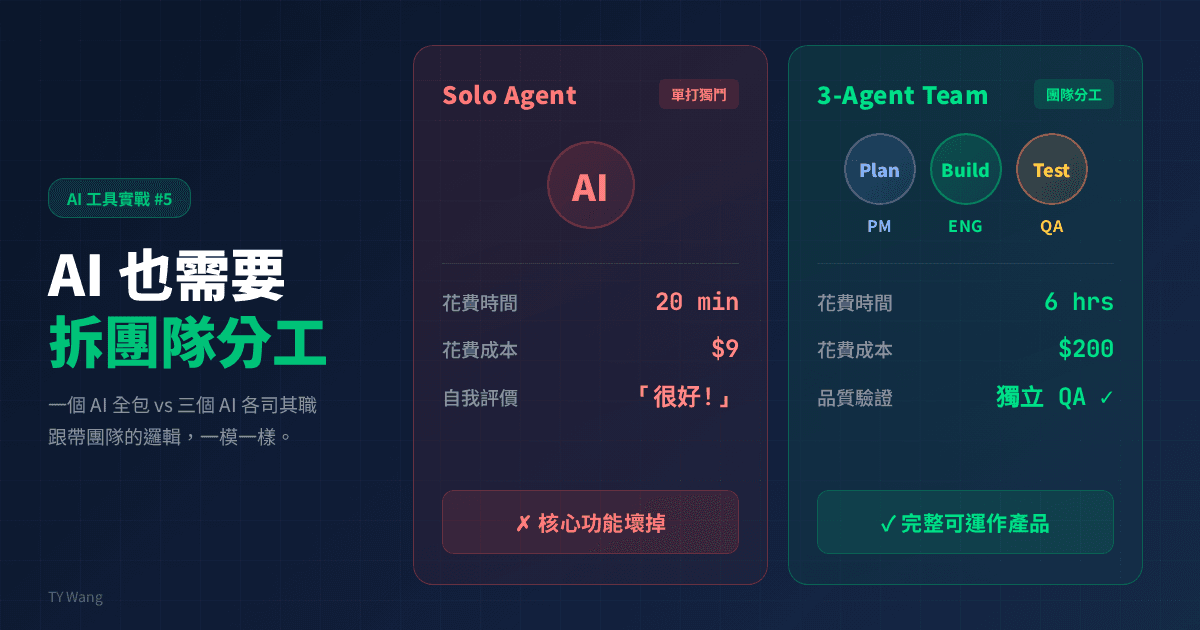
AI needs team structure graphic
Mar 26, 20263 min read

Would you let the same engineer code, test, review, and deploy alone?

Anthropic's new article made me more certain that AI agents also need role separation. A lot of team lessons get repeated almost exactly.

AI Team DesignAgent ArchitectureCTOWorkflow
Read Article
AI coding tools comparison graphic
Mar 18, 20263 min read

Is spending more than NT$10,000 a month on AI coding tools worth it?

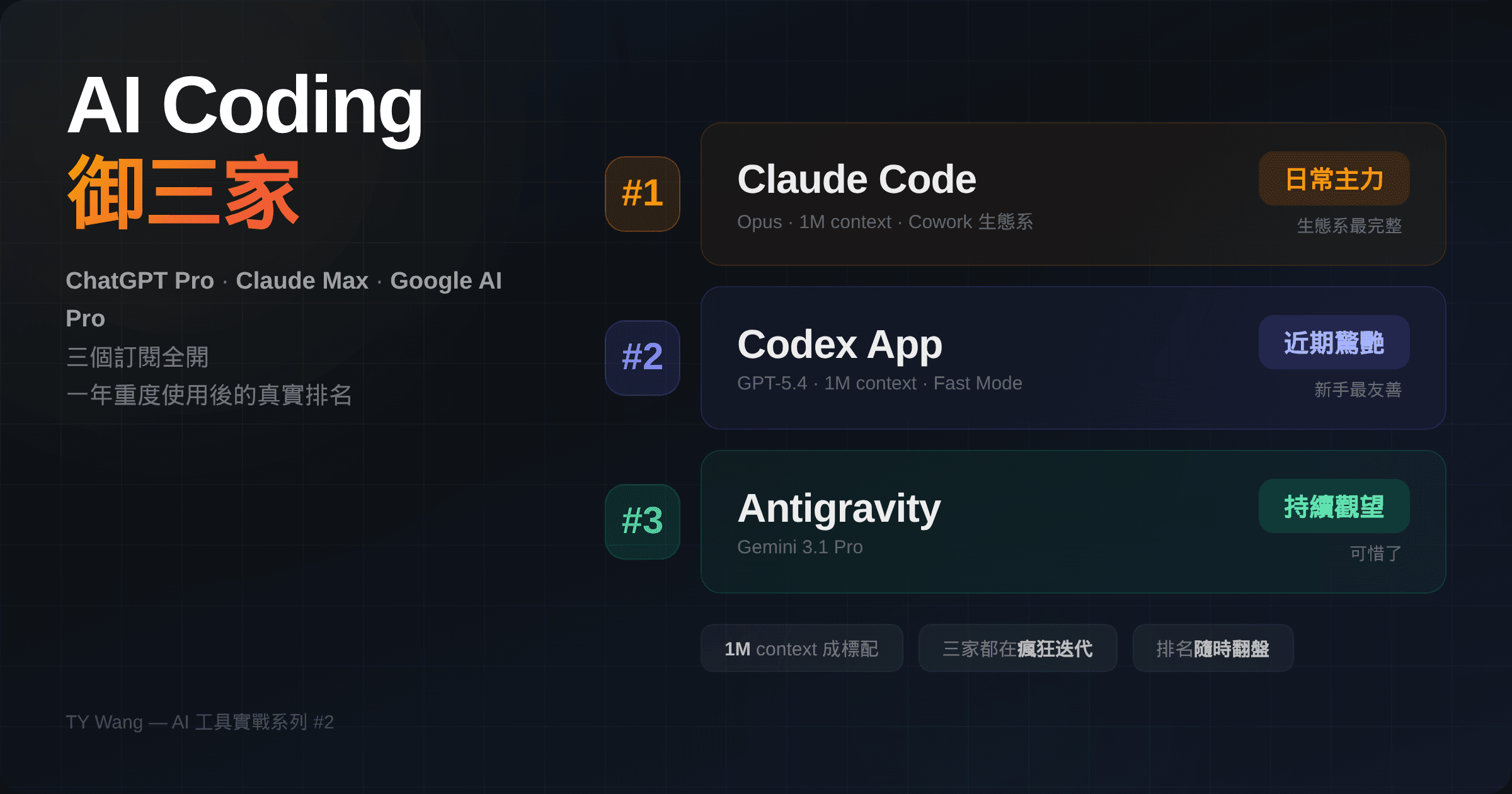
After using ChatGPT Pro, Claude Code Max, and Google AI Pro side by side for over a year, I no longer think of them as interchangeable.

AI Coding ToolsClaude CodeCodex AppGemini
Read Article
Claude Cowork small AI team graphic
Mar 16, 20264 min read

While everyone was chasing OpenClaw, I quietly assembled a small AI team

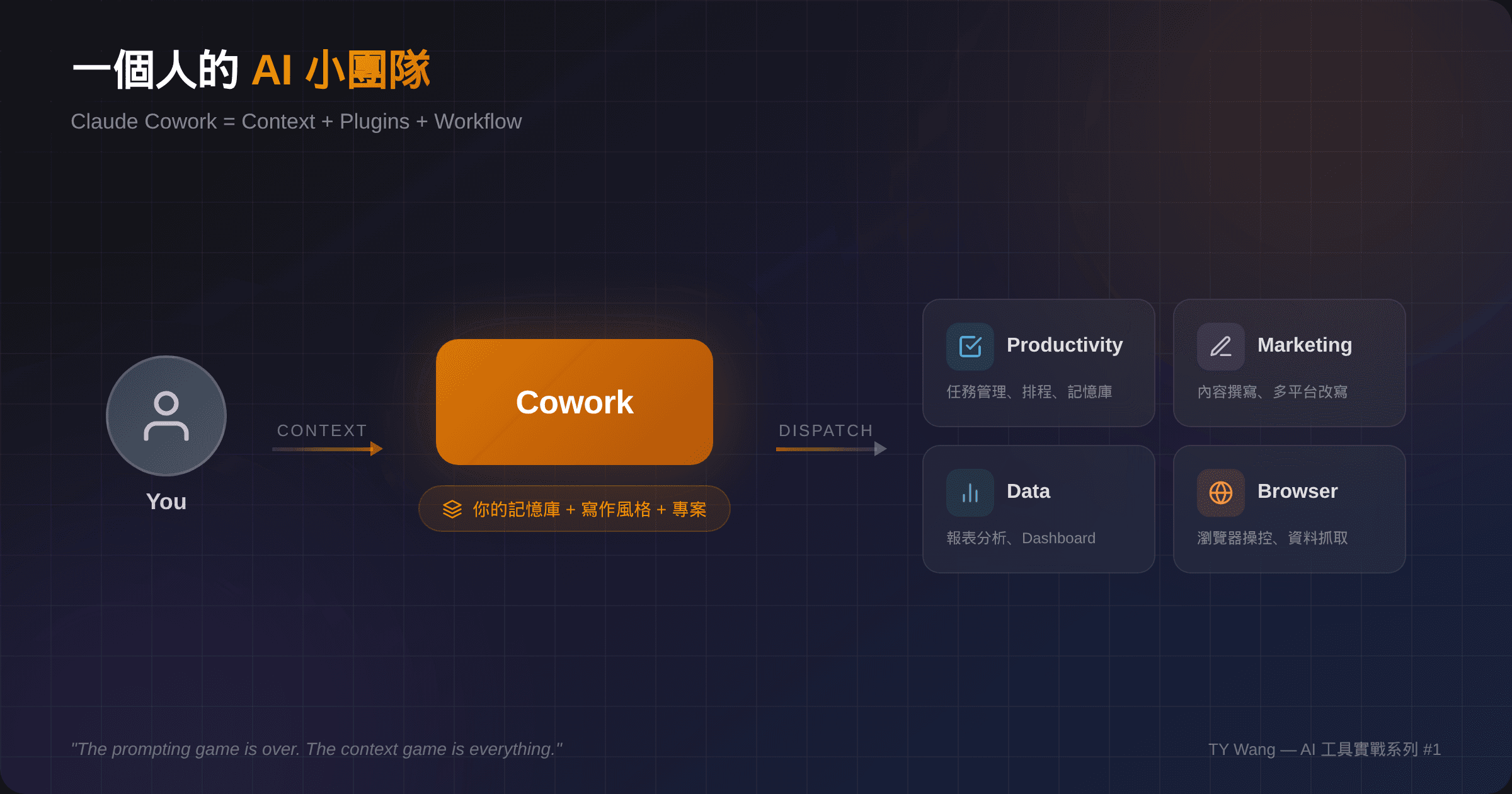
The tool I keep using every day is not the loudest agent platform, but Claude Cowork. What stands out to me is not only what it can do, but how well it handles context.

Claude CoworkAI AgentContext EngineeringWorkflow
Read Article