Writing down my AI lessons to make work a little easier
This page collects my recent notes on AI tools, workflow design, CTO leadership, and AI adoption. It is less about broad recommendations and more about what I use, what helps, and what I learned the hard way.
CTO's Playbook
Notes on engineering leadership, agile delivery, talent density, and cross-functional execution.
7 posts
AI in Production
How to move AI from demo to production with operational and commercial discipline.
10 posts
Founder's Notes
Founder notes on positioning, conviction, timing, and what comes next.
1 posts
Quick Filters
Apr 24, 20267 min read
Latest Post
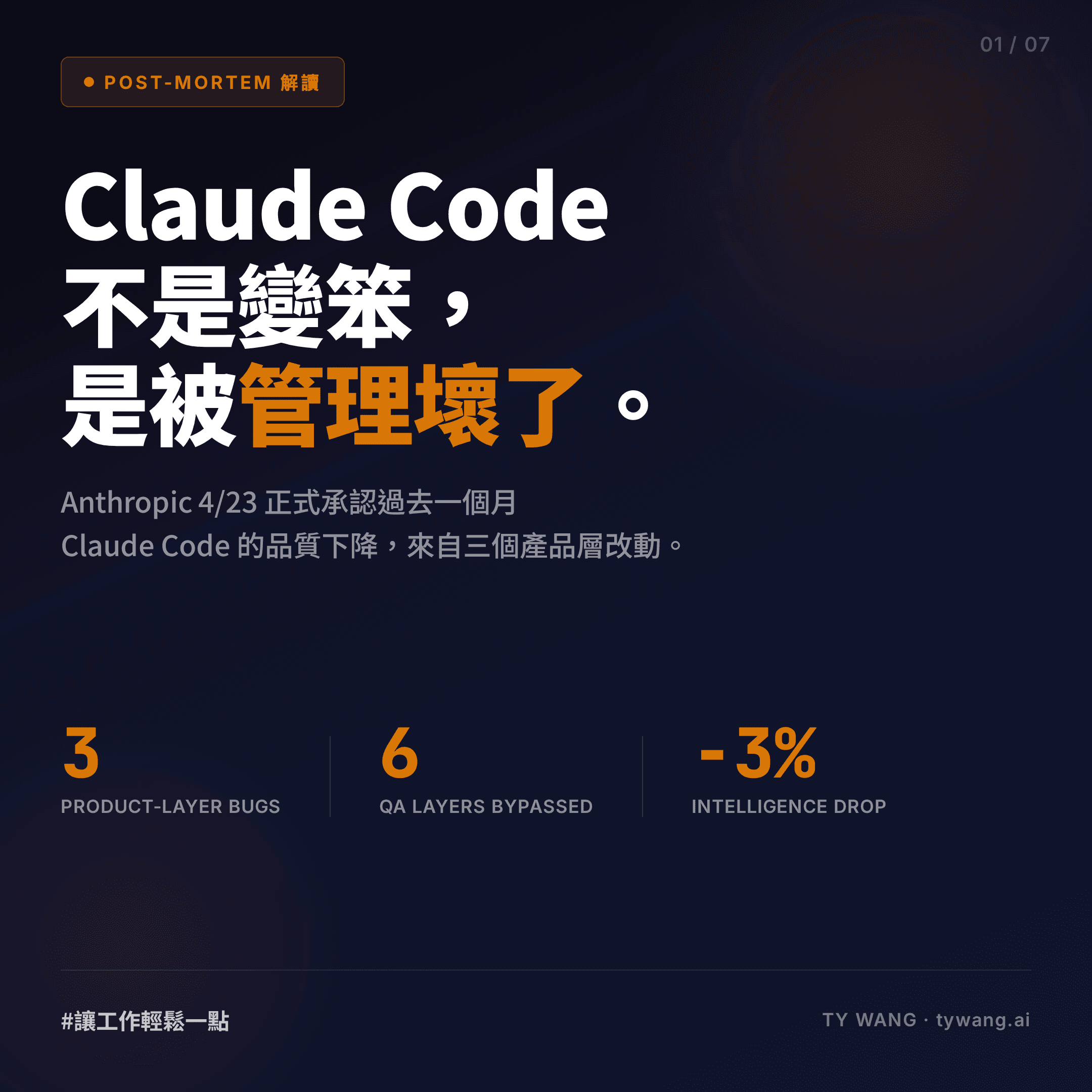
Claude Code did not get dumber, it got managed worse
Anthropic acknowledged on April 23 that Claude Code quality has dropped. The real culprit was not the model — it was the system around the model: the harness.
GPT-Image-2 finally connects the design-to-code chain
Better images are not the headline. The headline is that the design-to-code pipeline finally holds together — and what that means for how teams are organised.
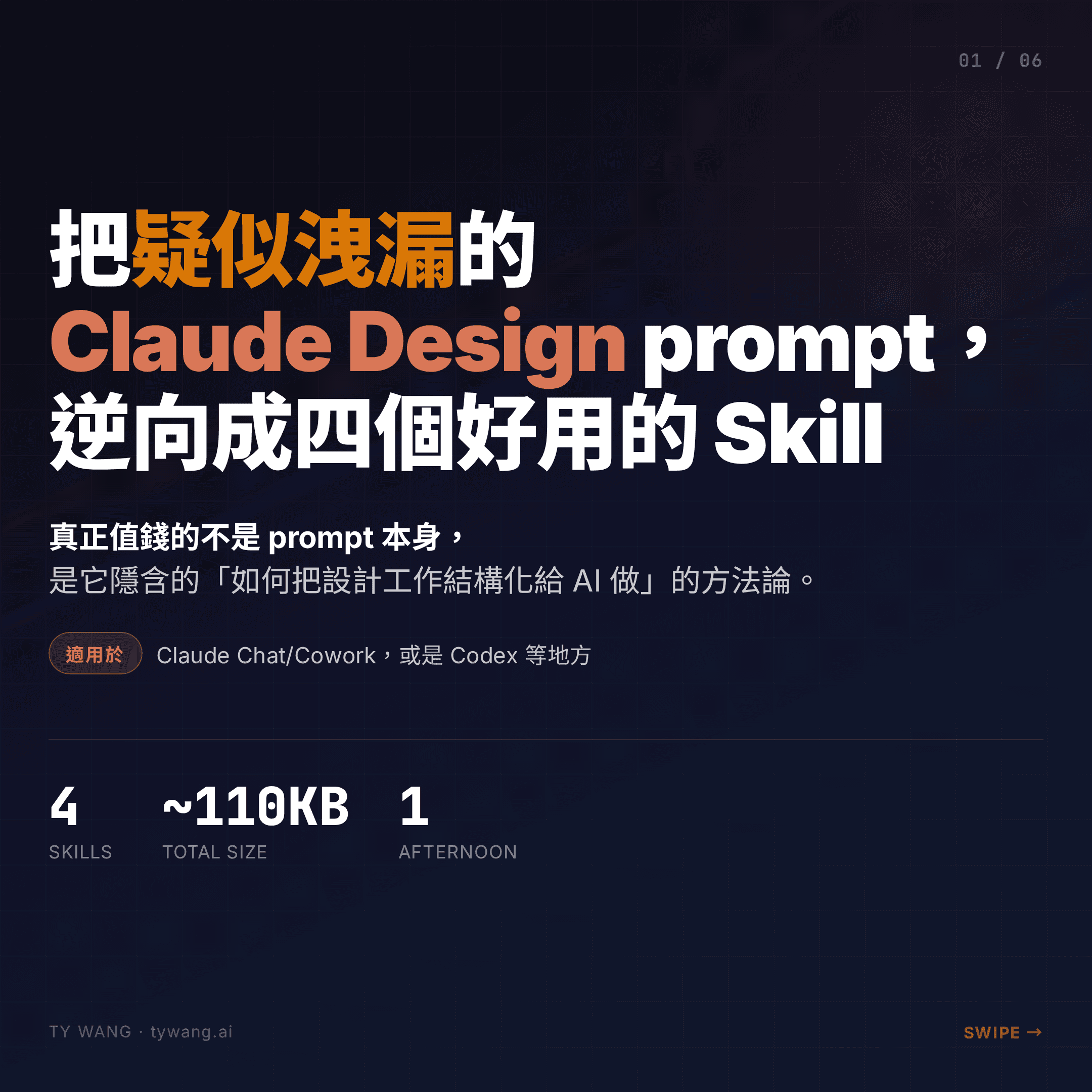
Turning the leaked Claude Design prompt into four usable skills
The real value is not the prompt — it is the methodology inside. I pulled it apart into four skills: DeckBuilder, AntiSlopReview, DesignContextImport, and FrontendVerify.
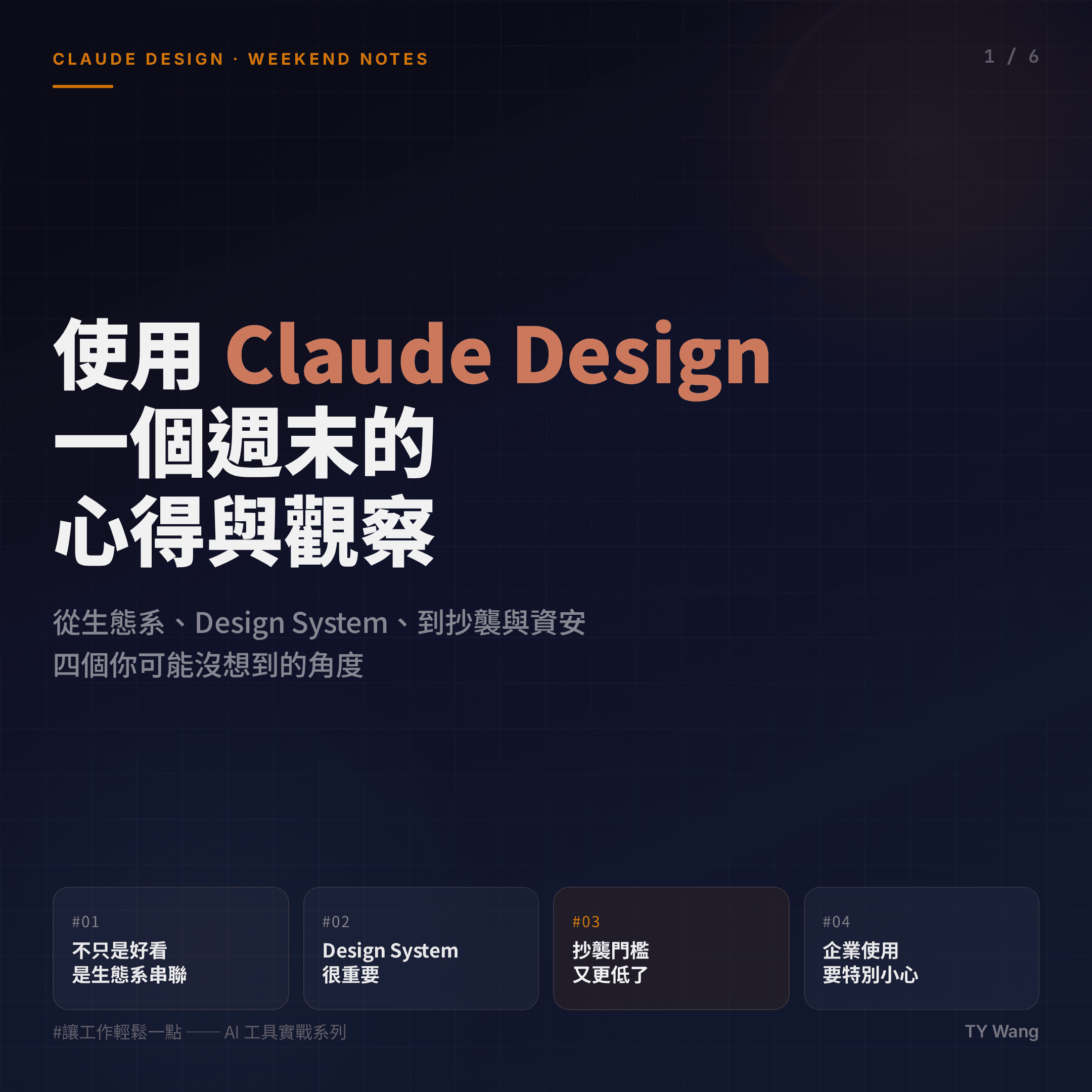
I spent a weekend with Claude Design, and the biggest shift was not speed
It is genuinely impressive, but what stayed with me more were the questions around design systems, product moats, and enterprise boundaries in research preview.
What managers should really see in a sandbox-escape story
The Claude Mythos testing notes matter not because they sound scary, but because they magnify blind spots in governance, audit design, and risk management.
While everyone was chasing OpenClaw, I quietly assembled a small AI team
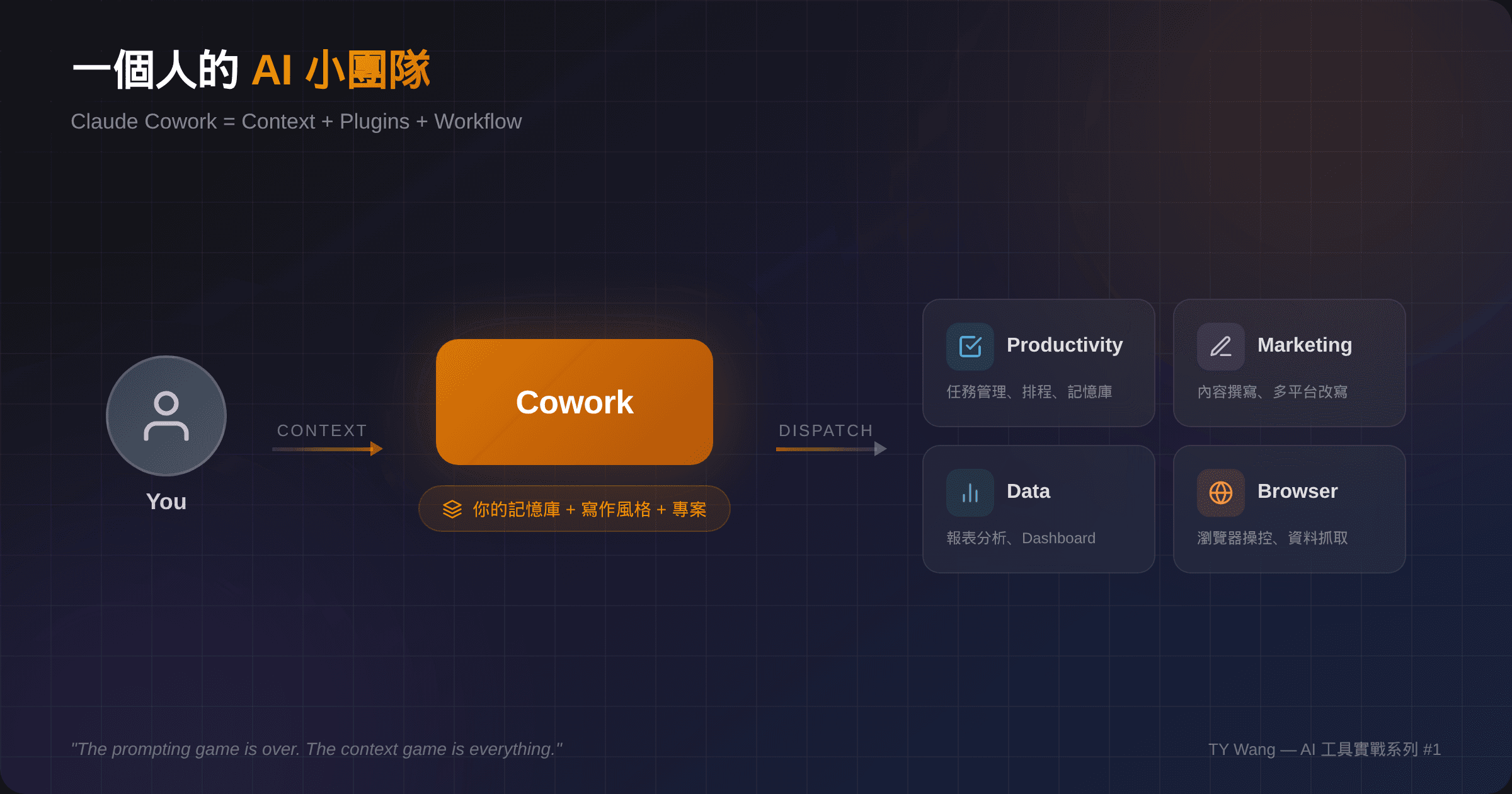
The tool I keep using every day is not the loudest agent platform, but Claude Cowork. What stands out to me is not only what it can do, but how well it handles context.