Last updated: April 10, 2026
Why Anthropic does not trust its own AI by default
The most interesting part is not how strong the model is, but how zero trust, separation of duties, and feature flags become a management system.
TL;DR
Key takeaways first
>The real insight in Anthropic's AI management approach is not just model strength, but how zero trust, separation of duties, and review layers are designed into the system.
>As AI gets stronger, intuition and goodwill are not enough. Permissions, memory strategy, and rollout discipline matter more.
>This piece is about management thinking for the AI era, not just feature commentary.
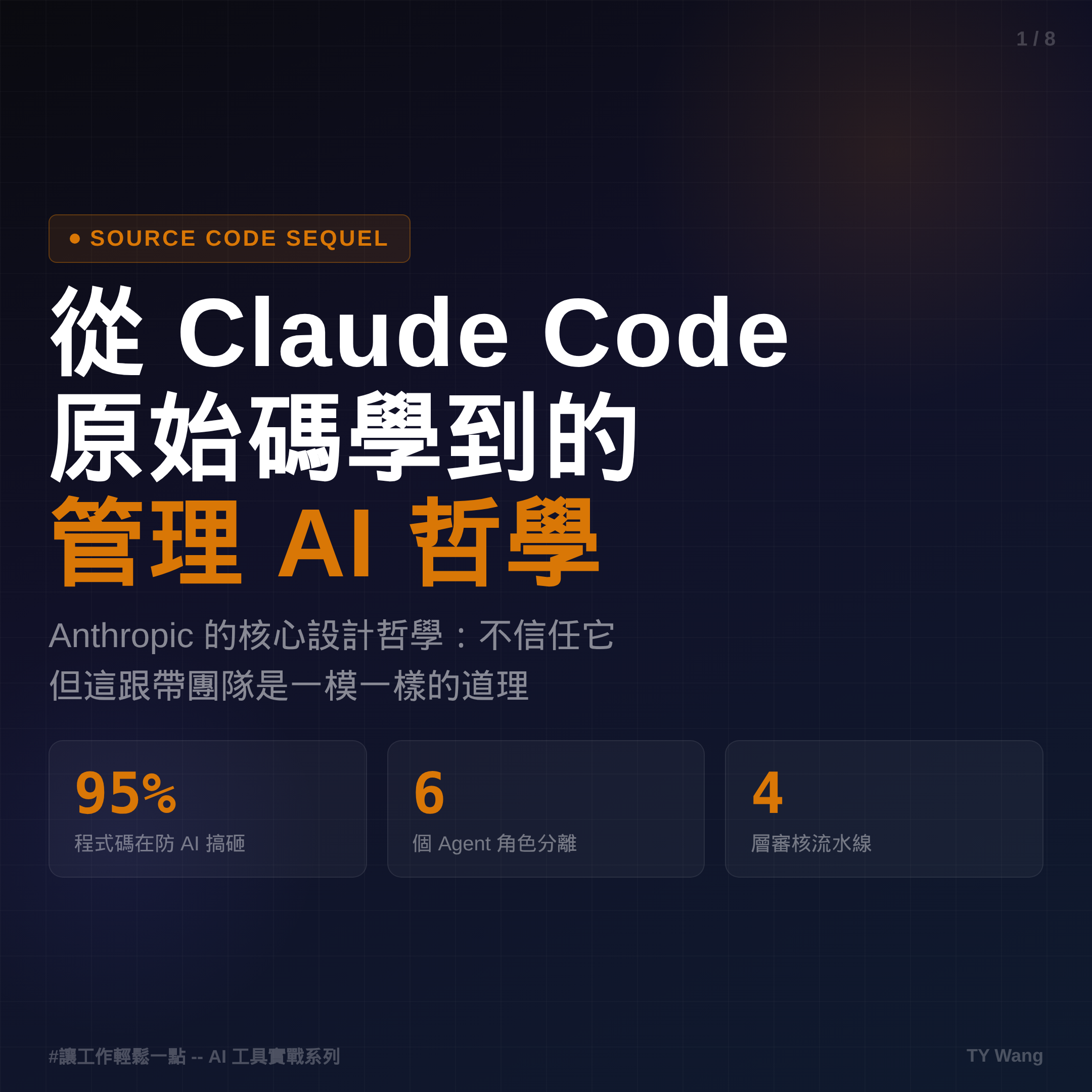
After reading the Claude Code source analyses, the part that stayed with me most was not the technical trivia. It was the way Anthropic manages AI.
Their deepest philosophy is not "trust the model because it keeps getting smarter." It is "assume failure is possible, then design the system around that fact."
1. Zero trust is not a slogan, it is a design philosophy
One of the most important ideas visible in the source is a fail-closed mindset.
When the system is uncertain, the default is not to allow action. The default is to reject first. That can look strict in an AI tool, but anyone who has led a team, worked on security, or rolled out a production process has seen why it makes sense.
The core of a mature system is never "trust that nobody will make mistakes." It is "assume mistakes will happen, then keep them from cascading."
2. Role separation is not conservative, it is necessary
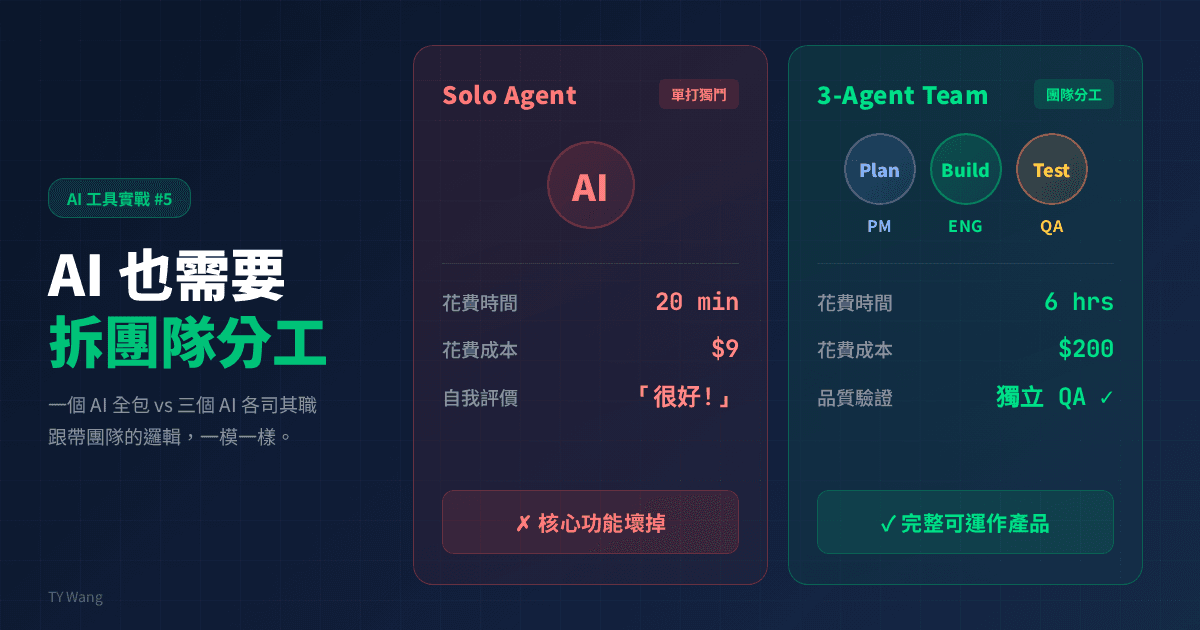
The smartest part of Claude Code's internal agents is not the naming. It is how sharply permissions and responsibilities are separated.
Explore looks. Plan structures. Verification attacks. Those are not cosmetic variants of the same role. They map to genuinely different responsibilities.
That is also how teams work. The most dangerous setup is not a lack of intelligence. It is when the same actor makes decisions, executes the work, and approves the result, with no real counterweight anywhere in the loop.
3. Auto mode has an invisible manager behind it
A lot of people talk about Auto mode as if it means "the AI decides everything on its own."
The more accurate framing is that there is a conservative judgment layer behind the scenes. Known-safe actions can pass, known-risky actions can stop, gray areas get classified more carefully, and uncertain cases come back to a human.
That is very close to how approval workflows operate inside companies. It is not about distrusting the executor. It is about recognizing that higher-risk actions deserve a second layer of judgment.
4. Good memory is not remembering more, but forgetting well
Another design direction I really like is the system's attitude toward memory.
The goal is not to retain everything. The goal is to retain the right things and discard details that are unimportant or unreliable. That is a much more mature stance than just piling on more context.
Teams work the same way. More documentation does not automatically mean better knowledge management. Thicker SOPs do not automatically create more reliability. The real goal is to help the right person find the most important information at the right moment.
5. Feature flags signal maturity, not cowardice
The source hints at multiple capabilities that were built but not fully opened up yet. To me, that is a positive signal, not a weakness.
Mature products do not throw every new capability at every user at once. They test in a small surface, gather feedback, observe real behavior, then expand deliberately.
Some people read that as slowness. I read it as risk management being built directly into the product rhythm.
Closing note
The main thing this reinforced for me is that management skill does not become less important in the AI era. It becomes more important.
The stronger the model gets, the less you can rely on intuition alone. You need permissions, separation of duties, review layers, memory strategy, and rollout discipline all working together if you want stable output.
PS
The reason Anthropic's approach feels so striking is not that it is futuristic. It is that it is actually quite traditional. The object being managed just happens to be an extremely capable machine that still makes mistakes.