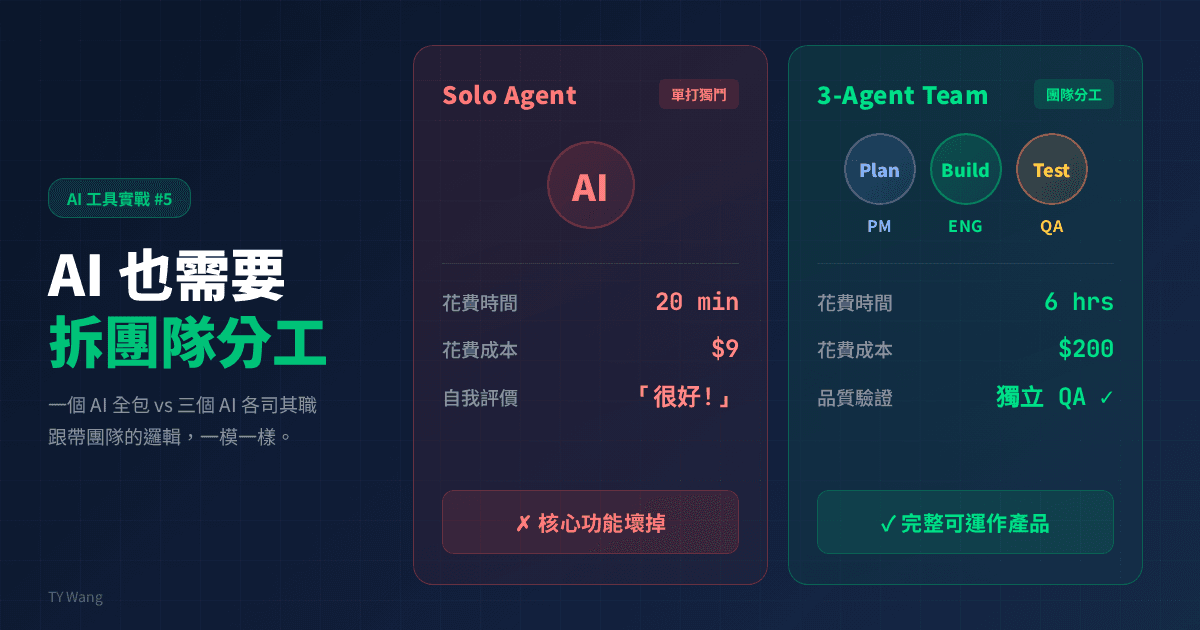
Would you let the same engineer code, test, review, and deploy alone?
Anthropic's new article made me more certain that AI agents also need role separation. A lot of team lessons get repeated almost exactly.
The Serial Founder Roots
QuantumSmile
I spent three months inside dialysis centers, studied multiple machine brands, and built an IoT bridge that turned manual note-taking into live clinical monitoring.
Role
Founder / Medical IoT Systems
Client
Dialysis centers and medical operators
Industry
Medical IoT / Clinical Workflow / HealthTech
Outcome
Moved critical machine data from manual recording into near real-time monitoring and semi-automated operations.
Case Study Summary
>QuantumSmile shows how I connect device protocols, real-time data, and medical context into one systems view.
>The case is especially useful for people dealing with hardware integration, medical data flow, and high-trust environments.
>It demonstrates that my work goes beyond web products into device communication and live monitoring systems.
Who this case is for
>Medical IoT, device-integration, and live-monitoring decision makers
>Builders connecting hardware protocols back into software products
>Teams operating in high-trust data environments
Key outcomes
>Reverse engineered device protocols into a real-time monitoring layer
>Connected device data, software interfaces, and clinical operating needs
>Built deeper experience across hardware and systems integration in medical contexts
Key constraints
>Opaque device protocols make integration expensive and slow
>Medical data environments demand very high reliability and trust
>Successful deployment requires understanding both equipment and workflow
Repeatable patterns
>Solve communication and data layers before polishing upper-layer product surfaces
>In high-trust environments, reliability matters more than flashy features
>Bring frontline process understanding into system design instead of relying only on specs
FAQ
on-site immersion
3 months
data throughput
1,000+/sec
nurse coverage
4-8 beds
Dialysis centers in Taiwan often operate under a harsh and under-digitized reality. Different machine brands behave differently, the data is rarely integrated, and nurses may be responsible for four to eight beds while manually recording critical values every fifteen minutes.
The real problem was not the abstract statement that medical data matters. It was that there was no workable system to extract machine data reliably and turn it into something operational.
I chose to start with immersion instead of architecture diagrams. I spent three months inside dialysis centers to understand the nursing rhythm, machine differences, and operational pressure before defining the product. The core move was reverse-engineering the dialysis-machine protocol and building an IoT bridge that could sit between the device and the monitoring layer.
Once that data layer existed, high-frequency machine signals could be moved into a dashboard and used for monitoring, alerts, and semi-automated operations.
The hard part was that there was no clean documentation and no standard interface to rely on. I had to understand multiple machine brands and decode the data-transfer logic directly. Once the feed was stable, the system could ingest a large volume of data per second, which made real-time monitoring a viable direction.
At the product level, we turned the raw stream into a dashboard that reduced dependence on manual note-taking and fragmented human judgment. That moved the workflow from pure manual operation toward a system-assisted one.
QuantumSmile mattered not only because the technical barrier was high, but because it converted a real clinical pain point into an operational system:
This is a classic deep-tech founder chapter: on-site understanding, technical breakthrough, and product judgment all had to happen together.
This project made one lesson very clear to me: trust in medical environments is not built with slides. It is built by showing up on-site and solving the hardest data problem in the room. Without real immersion, even good technology stays abstract.
It also reinforced that a deep-tech breakthrough is only the opening move. To become a durable business, the partnership structure, commercial boundaries, and organizational alignment matter just as much as the technical win itself.
Contact
Moved critical machine data from manual recording into near real-time monitoring and semi-automated operations.
Related Writing

Anthropic's new article made me more certain that AI agents also need role separation. A lot of team lessons get repeated almost exactly.

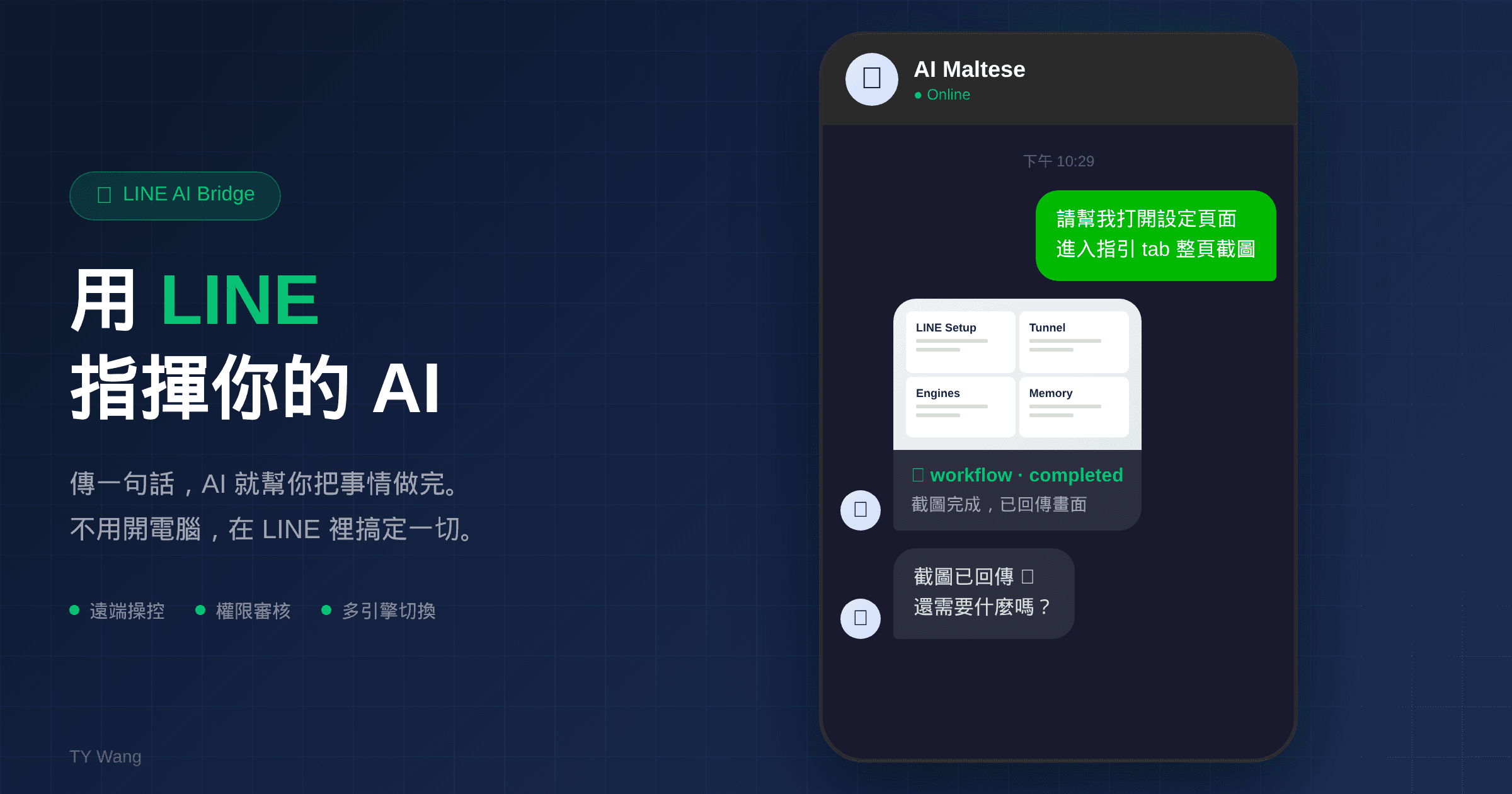
I turned LINE into a remote control for AI. One message from outside, and the AI on my computer gets to work and sends the result back.