Flagship Ventures

Crosspoint

Crosspoint: turning AI posture assessment into something chain fitness teams would actually use

By keeping the system wearable-free, I was able to take AI posture assessment into real gyms like WorldGym and RIZAP. What mattered most to me was not the demo, but whether coaches would actually use it.

2018-PresentFitness / Computer Vision / B2B SaaS
AI Posture AssessmentComputer VisionFitnessTechWorkflow Integration
TY WangNovember 6, 2025Last updated: March 11, 2026
AI posture assessment case study

Role

Founder / AI Product & GTM Lead

Client

WorldGym, RIZAP, MegaFit, and others

Industry

Fitness / Computer Vision / B2B SaaS

Outcome

Helped turn AI posture assessment from a demo-style tool into a repeatable operating product.

Product Shot

The hardest part of Crosspoint was not only the model. It was getting real venues to keep using it.

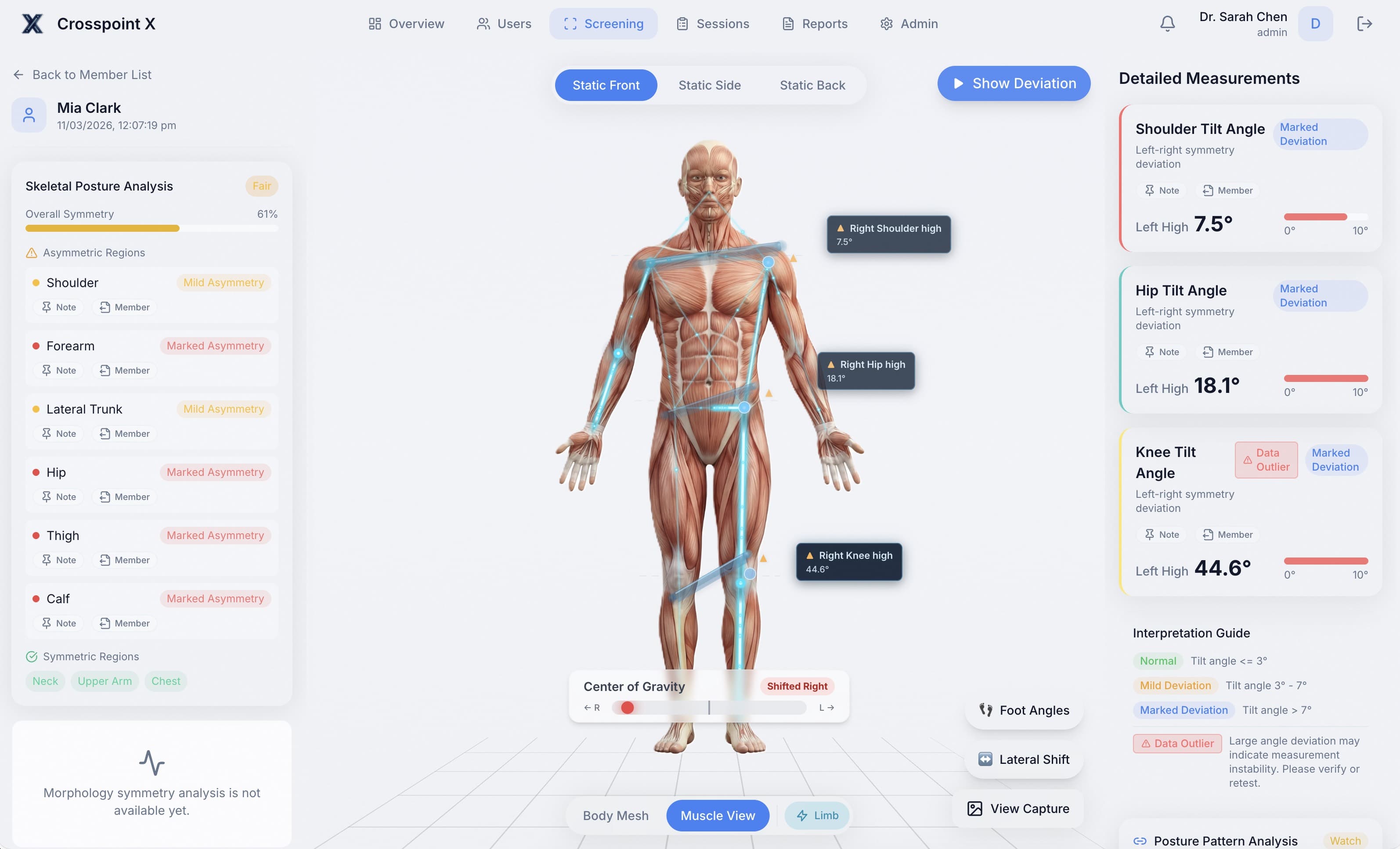
This screen matters to me because it shows AI posture assessment inside a real coaching workflow, not sitting in a demo corner.

Crosspoint product shot

AI in Production

This screen matters more than a concept slide, because frontline adoption usually lives in the details

Skeleton tracking, deviation angles, center-of-gravity signals, and interpretation logic all needed to live in one place, or coaches would simply stop using it.

major chain customers

3 chains

WorldGym deployment

TW rollout

wearable-free stack

100% Pure Vision

Case Study Summary

Read the case-study summary first

>Crosspoint is not a computer vision demo. It is an AI posture-assessment system that entered real frontline fitness workflows.

>The most valuable lesson is not only model quality, but venue rollout, coach adoption, and hardware simplification.

>For operators evaluating AI in physical-service environments, this case shows what end-to-end deployment really looks like.

Who this case is for

>Fitness, physio, and sports-tech decision makers

>Operators who want to see AI inside frontline service workflows

>Builders exploring computer-vision productization

Key outcomes

>Deployed AI posture assessment into real venues including WorldGym and RIZAP

>Turned measurement output into a coach-usable communication surface

>Kept the on-site architecture lightweight enough for repeatable rollout

Key constraints

>Coach adoption can block rollout even when the model works

>Heavy on-site setup raises deployment cost quickly

>Market conditions can slow commercial rollout even after technical validation

Repeatable patterns

>Design for frontline usability before optimizing technical elegance

>Use the lightest viable hardware setup to improve deployment odds

>Connect AI output back into sales, coaching, and member conversations

FAQ

Common questions

Problem

Problem

Everyone says movement quality matters. The harder part is turning assessment into something branches can repeat.

Short version: the hard part at Crosspoint was never just posture detection. It was getting coaches to actually use it.

Fitness and physio environments have a familiar gap. Everyone agrees movement quality matters, but frontline assessment is still often subjective, inconsistent, and difficult to scale.

If an AI assessment only lives in a demo corner, it never becomes part of the business. What really mattered here was whether the system could fit inside the branch workflow, earn coach adoption, and connect naturally to service and revenue.

Solution

Solution

I ended up choosing a wearable-free, rapid-deployment, coach-readable product architecture instead of a heavier hardware showpiece.

From the start, I did not want Crosspoint to become just a computer-vision demo. If it could not enter a real venue and a real workflow, it was going to be very hard for it to become a product.

So I kept coming back to three things:

  1. The flow had to be fast If the assessment took too long, it would never fit inside reception or the first part of a coaching conversation.

  2. The output had to be useful in conversation I did not want abstract scores alone. Coaches and members both needed something they could actually understand and react to.

  3. The system had to be repeatable If it broke every time the venue, the staff, or the equipment changed, it would never hold up in a chain environment.

That led us to a solution built around static posture and overhead-squat assessment, using NASM logic to turn the technical output into something frontline teams could actually use.

Execution

Execution

The real difficulty was not only building the model. It was getting hardware, venue flow, training, and rollout discipline to line up over time.

This product line did not happen in one clean launch. It was much more of a learn-adjust-repeat process.

  1. First, we checked whether the demand was real across markets MegaFit in Shanghai gave us an early view into how a large chain would think about the product and what onboarding would actually look like.

  2. Then we checked whether different brands could still use it RIZAP in Taiwan mattered because it showed the product was not locked to one service style or one brand rhythm.

  3. Then the market got interrupted COVID froze the fitness industry and forced the product line to pause. When WorldGym later adopted the system, it gave us a chance to restart, but also forced us to rework the on-site flow, hardware setup, training, and support model.

Said simply, the hard part was never only the model. It was whether the whole system could survive real venue conditions over time.

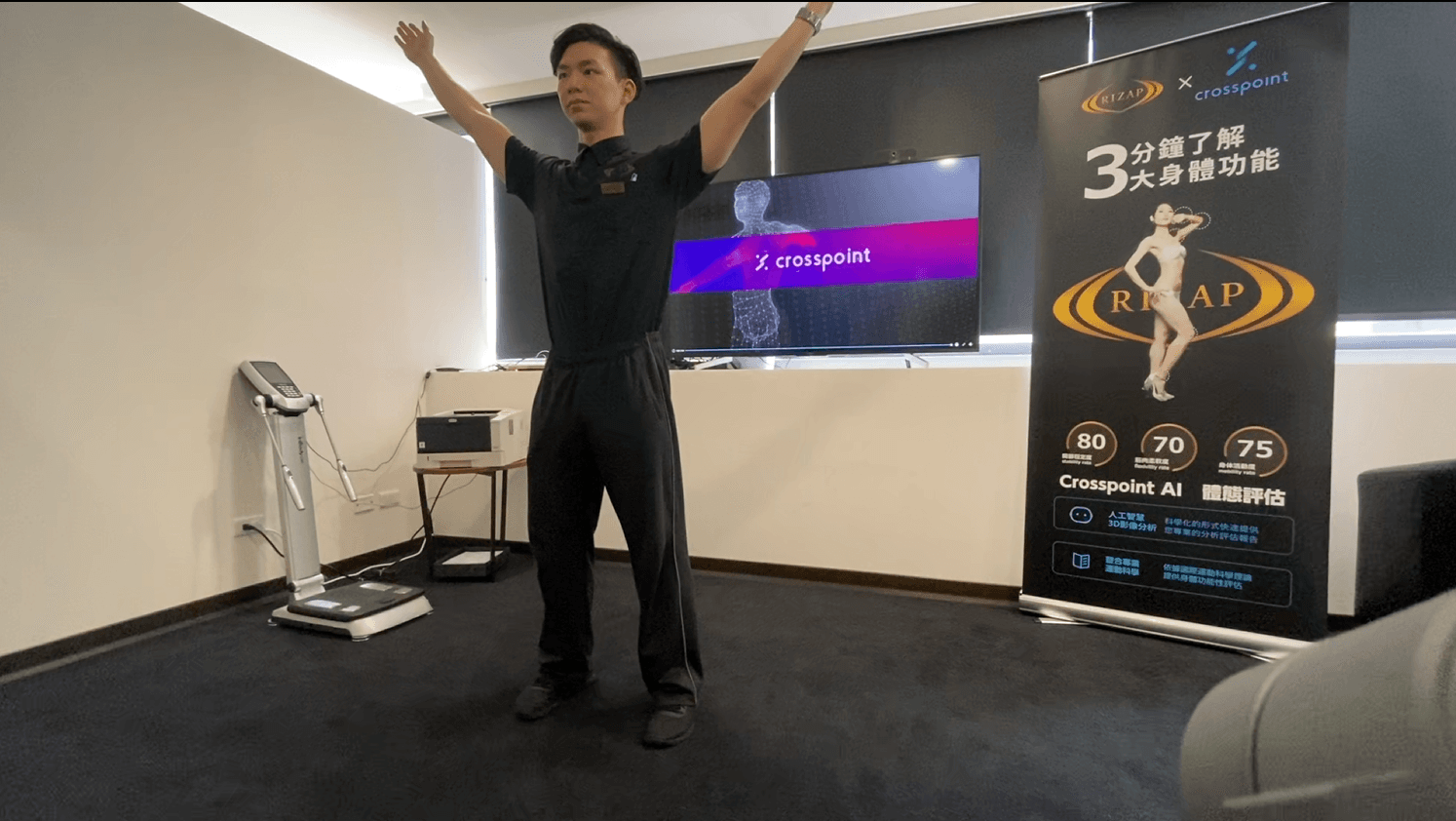
Crosspoint usage process at RIZAP

RIZAP Rollout

Different brands can work differently, but the product still has to feel natural to coaches

The RIZAP rollout mattered because it showed Crosspoint was not tied to only one brand rhythm or one interaction style.

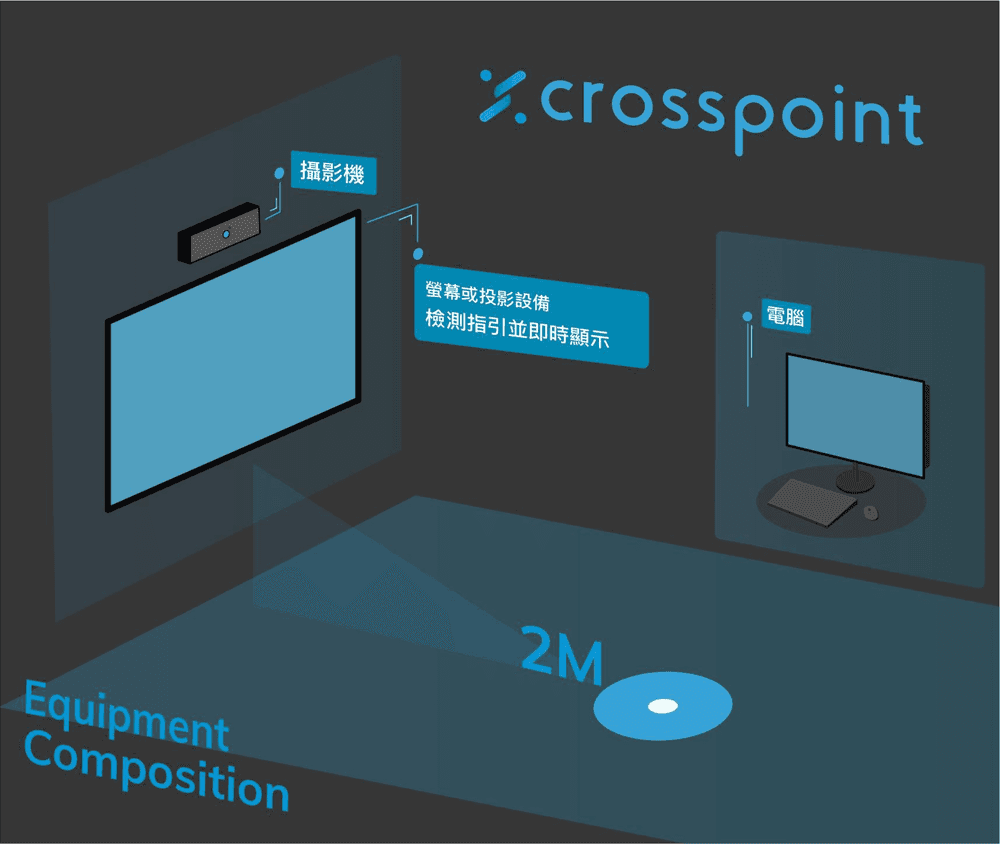
Crosspoint system layout diagram

System Layout

The on-site setup had to stay simple, or chain adoption would get expensive very quickly

Crosspoint uses a streamlined venue setup with a single camera, projected guidance, and fixed station flow, because once the setup becomes too heavy, deployment gets expensive fast.

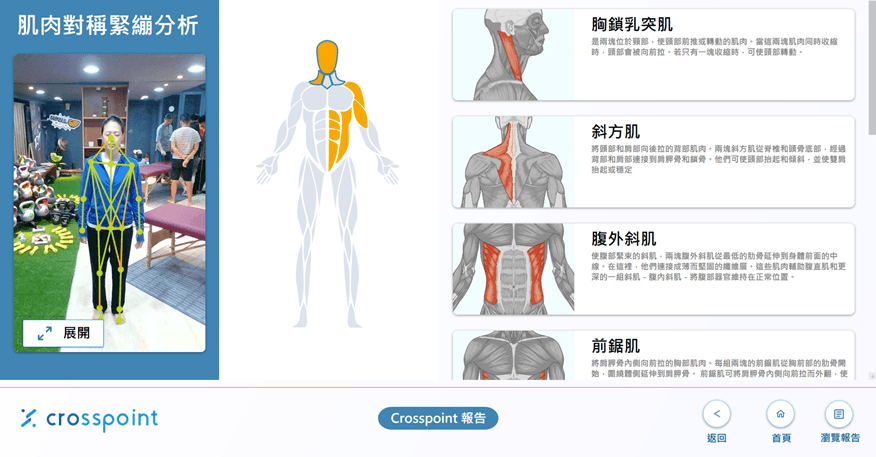
Crosspoint original deployed operating screen

Operational Screen

In the end, measurement data has to become something coaches can actually talk through

This was the deployed Crosspoint screen. Its value was not visual novelty. It was whether coaches could use it in a real conversation with members.

Impact

Impact

What matters to me is not only that the model worked. It is that the system entered service workflows and still had a chance to come back after a rough market reset.

What mattered most to me about Crosspoint was not that the model worked. It was that people actually used it.

  • It entered major fitness systems including MegaFit, RIZAP Taiwan, and WorldGym.
  • It became part of how coaches explained posture, framed services, and guided customer conversations.
  • It survived an industry shock, restarted after COVID, and returned to chain-scale deployment.

That is why I still think of it as a product line rather than a proof of concept. It did not only prove that the model could work. It got much closer to proving that venues would keep using it.

MegaFit in Shanghai validated demand outside Taiwan early.

RIZAP and WorldGym proved chain-wide deployability.

The product restarted after COVID and is now aimed at global physio use cases.

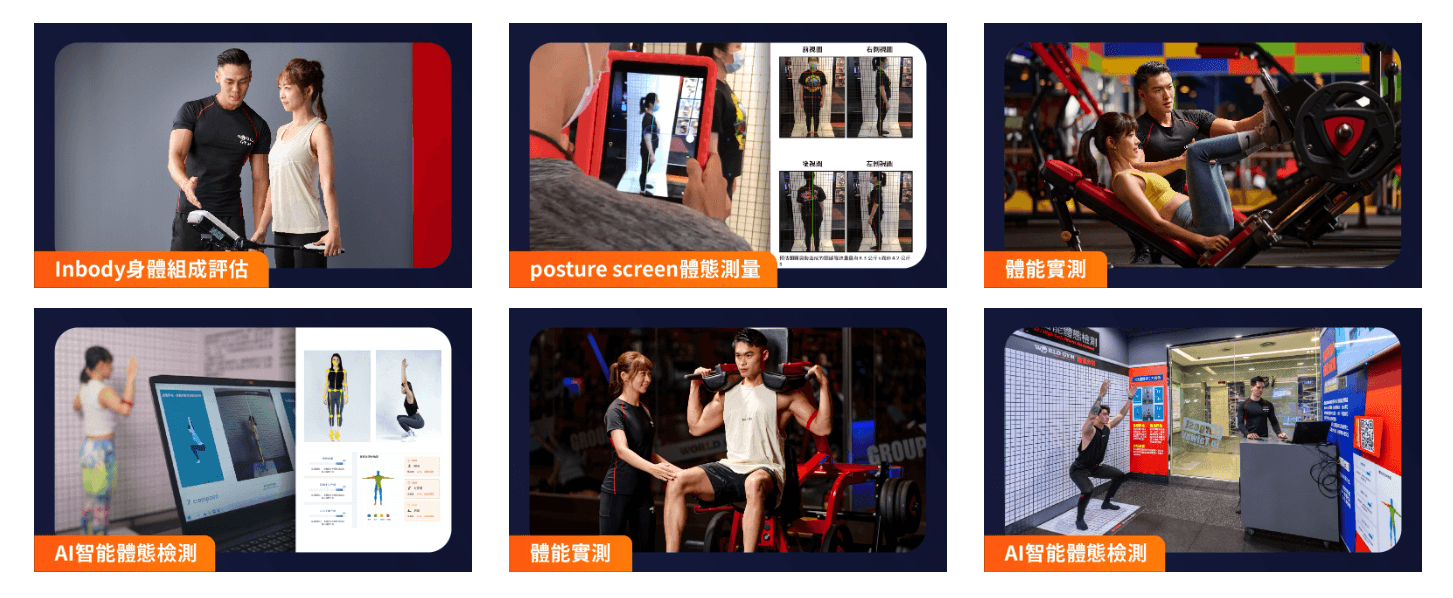
Crosspoint WorldGym promotional visual

WorldGym Promotion

Once frontline teams start using it in real conversations, the product finally gains commercial value

The WorldGym material reflects a product that has moved beyond tooling and into frontline sales, onboarding, and member experience.

Next Step

Crosspoint-X: making the next version more mature and more useful in professional settings

This screen represents the next version I want to push toward with Crosspoint-X. For me, it is not only about cleaner UI. It is about making the detail, interpretation, and workflow structure strong enough for more professional physio settings.

>A more modern interface that makes deviations, center-of-gravity signals, and measurement context easier to read.

>A more professional information layer so coaches and physical therapists can interpret the same surface differently but reliably.

>A more flexible workflow model that opens the door to broader deployment in physio-grade operating settings.

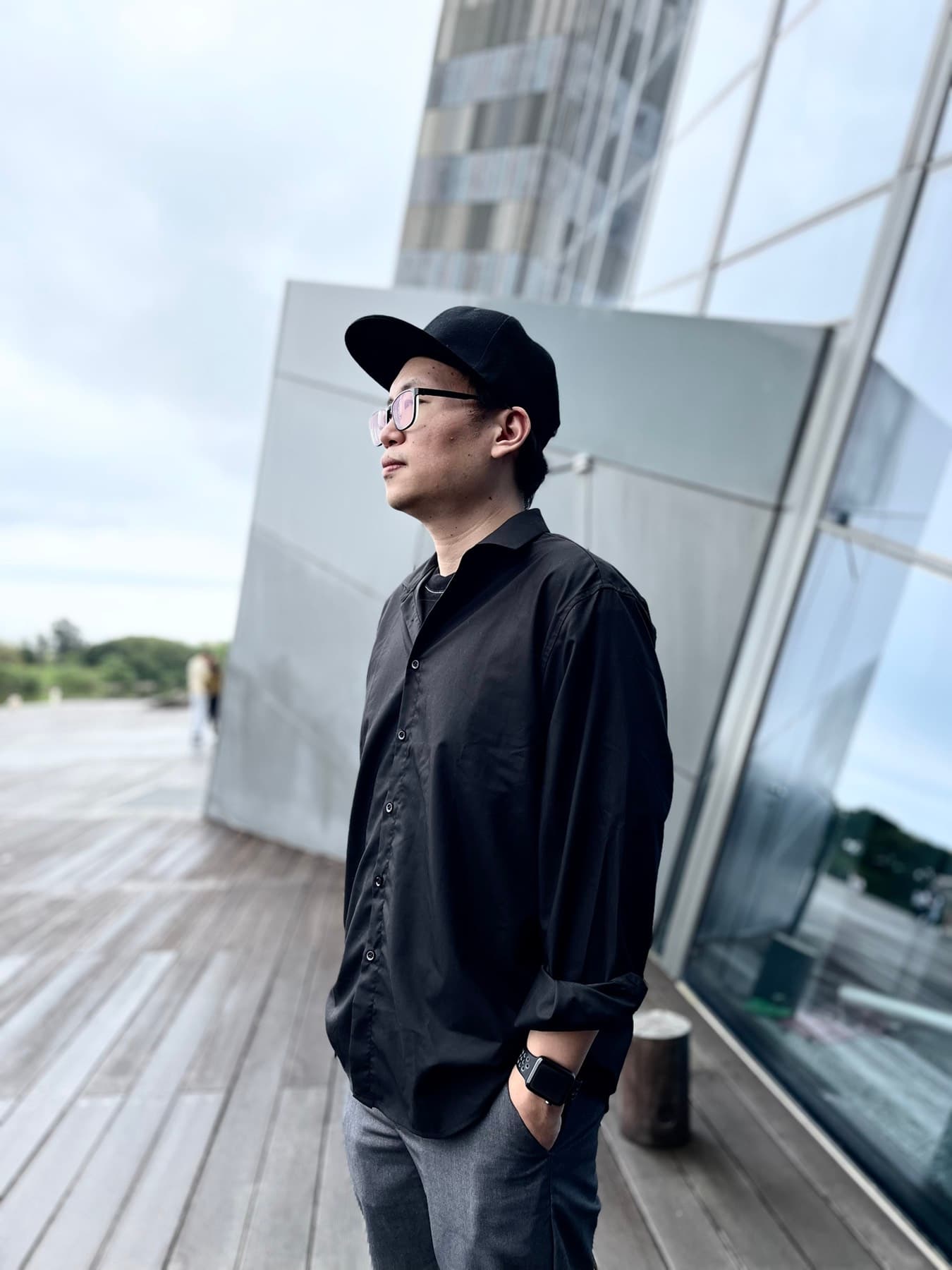
Portrait of TY Wang

Founder Note

Lessons

This was never just an algorithm project. It had to become a product system that could survive in the real world.

This project reinforced something I keep seeing: AI value is rarely defined by the model alone. In the end, it comes down to whether the people on the front line will keep using it.

Crosspoint also reminded me that AI in physical environments cannot be built with software-only thinking. Cross-border rollout, venue differences, training, and even market shocks all shape the outcome.

If I had to compress the lesson, it would be this: what becomes commercially usable is not only the technology, but the combination of technology, workflow, and operating resilience.
Contact

Discuss a similar business challenge

Helped turn AI posture assessment from a demo-style tool into a repeatable operating product.

Related Writing

Related writing for this case

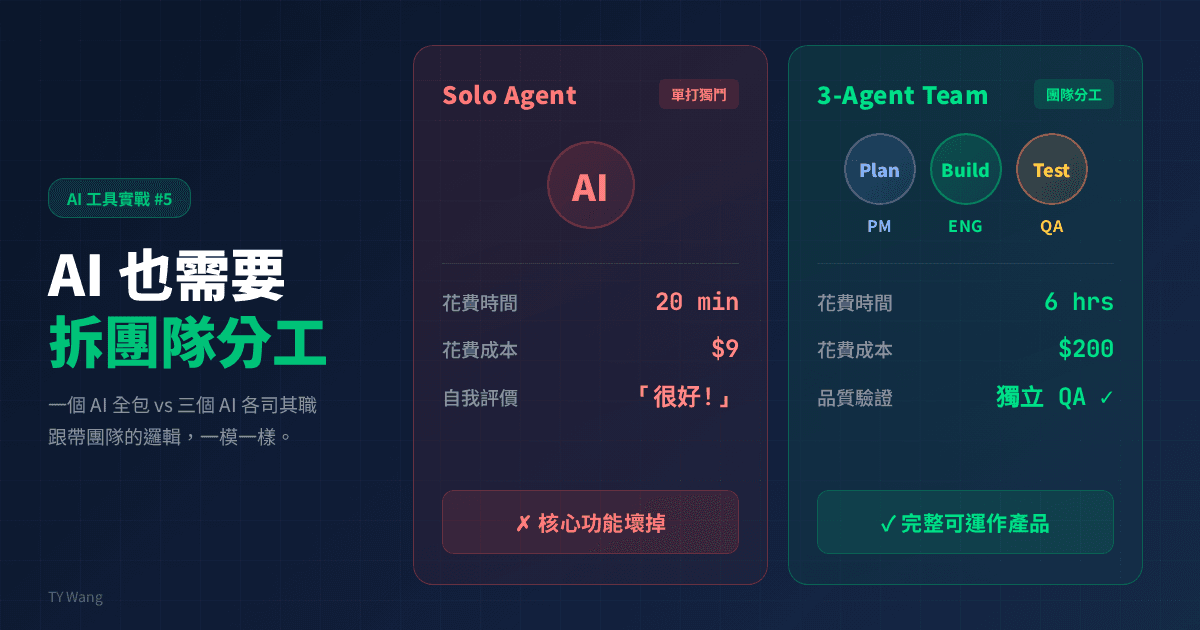
AI needs team structure graphic
Mar 26, 20263 min read

Would you let the same engineer code, test, review, and deploy alone?

Anthropic's new article made me more certain that AI agents also need role separation. A lot of team lessons get repeated almost exactly.

AI Team DesignAgent ArchitectureCTOWorkflow
Read Article
LINE AI Bridge graphic
Mar 24, 20263 min read

What if your LINE could do work for you, not just chat?

I turned LINE into a remote control for AI. One message from outside, and the AI on my computer gets to work and sends the result back.

LINE AIRemote WorkflowAI AgentAutomation
Read Article
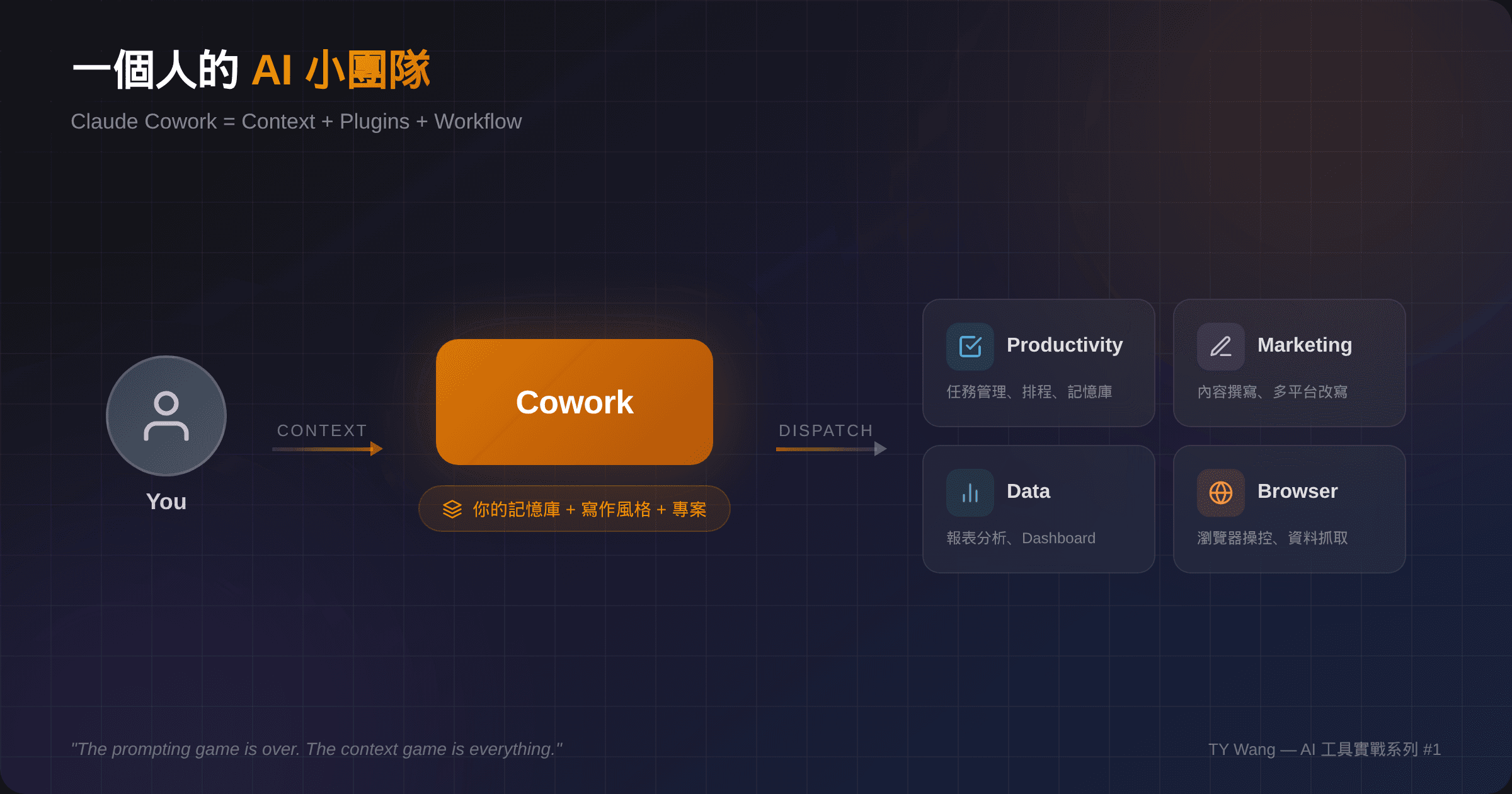
Claude Cowork small AI team graphic
Mar 16, 20264 min read

While everyone was chasing OpenClaw, I quietly assembled a small AI team

The tool I keep using every day is not the loudest agent platform, but Claude Cowork. What stands out to me is not only what it can do, but how well it handles context.

Claude CoworkAI AgentContext EngineeringWorkflow
Read Article